
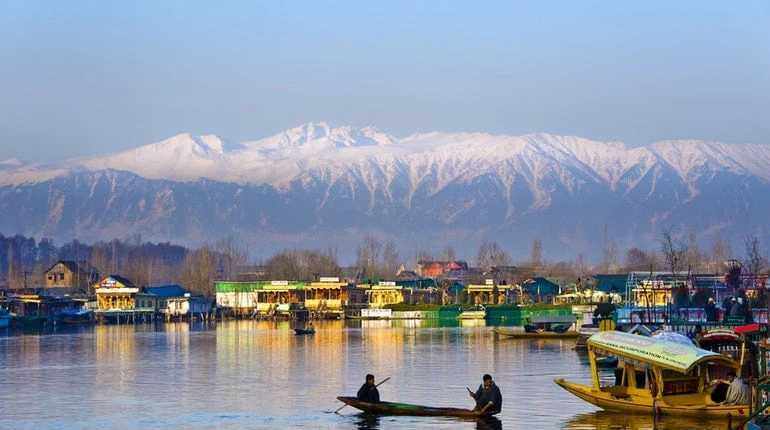
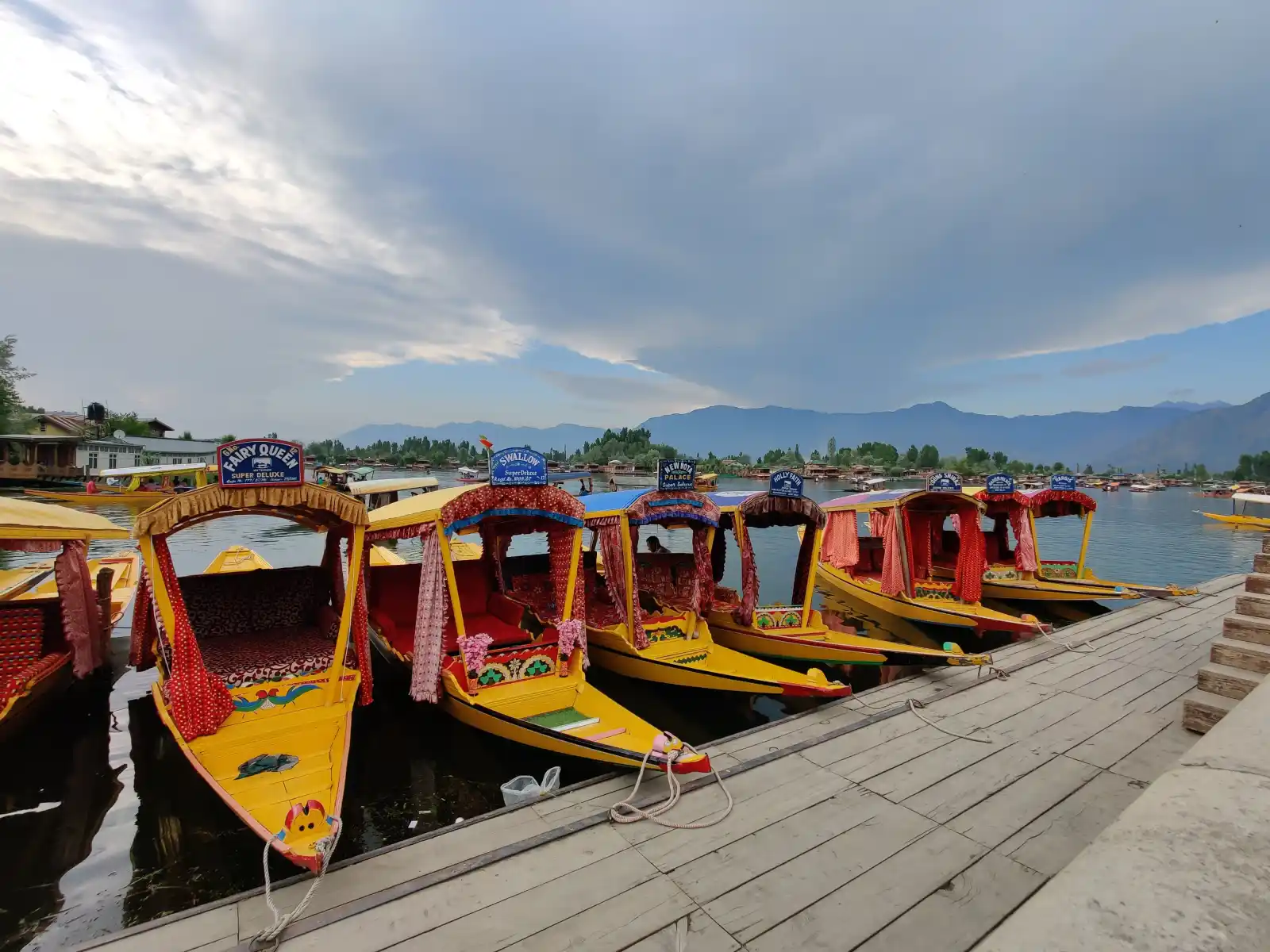
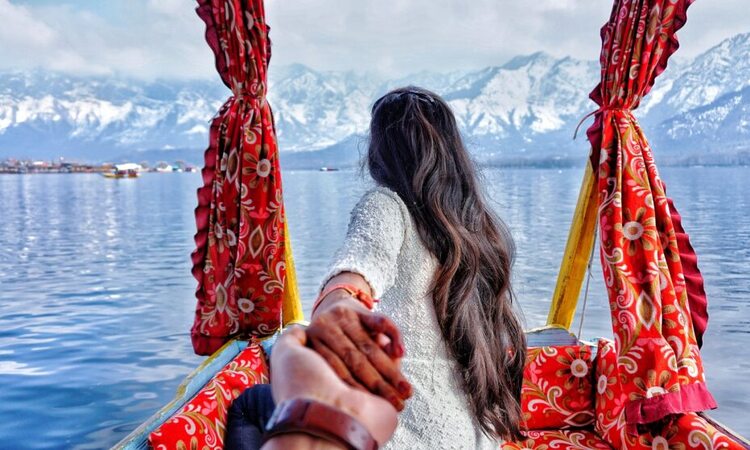
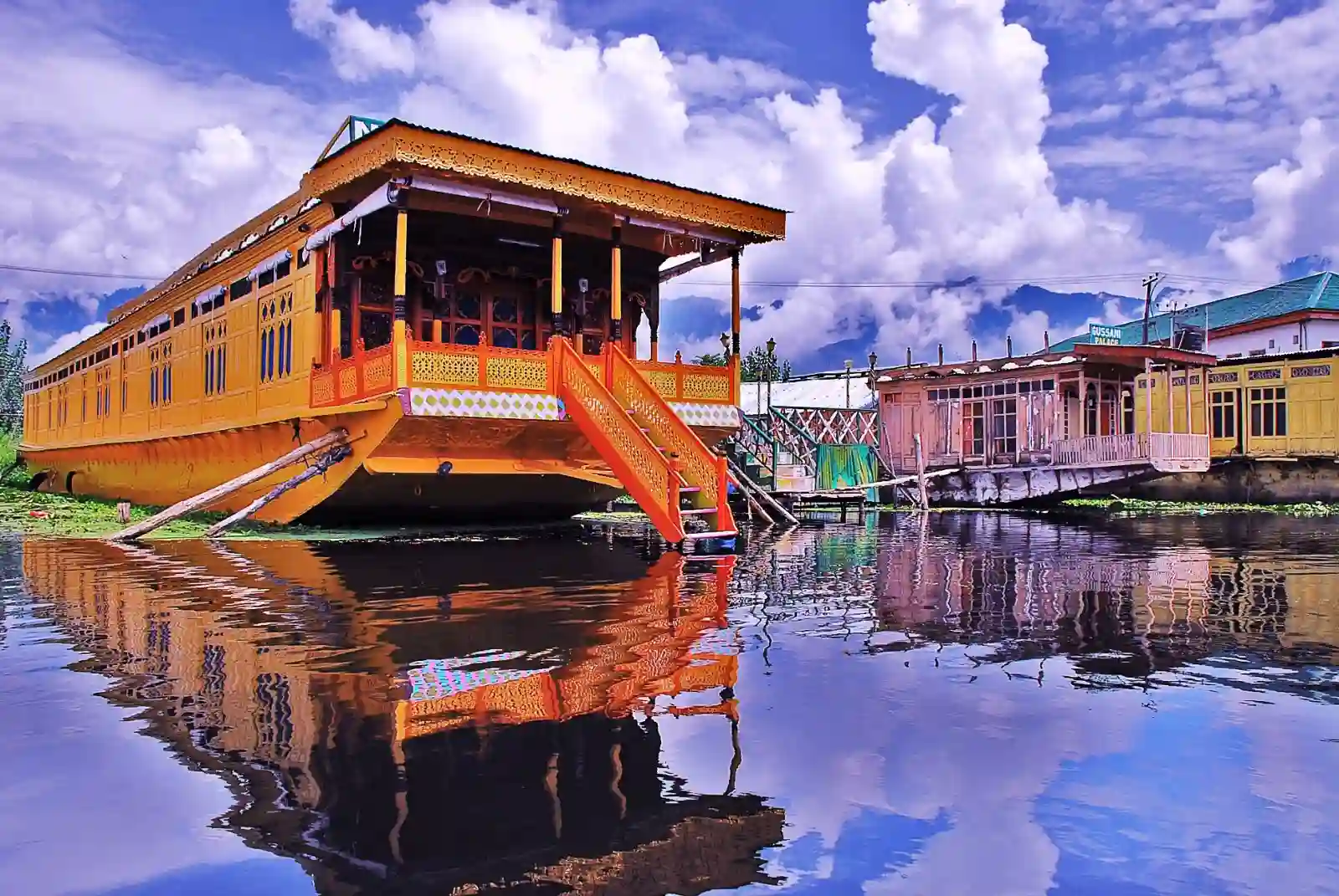
Dal Lake is the shimmering jewel of Srinagar, often called the “Crown of Kashmir.” Spread over vast waters with the Zabarwan mountains in the backdrop, this freshwater lake is the heartbeat of the city. For centuries, poets, travelers, and kings have praised its beauty, and even today it remains the most iconic attraction of the Kashmir Valley. A trip here is never complete without a peaceful ride on its traditional Shikaras or a memorable stay in a houseboat. That’s why Dal Lake is considered an essential highlight in many Kashmir Tour Packages.
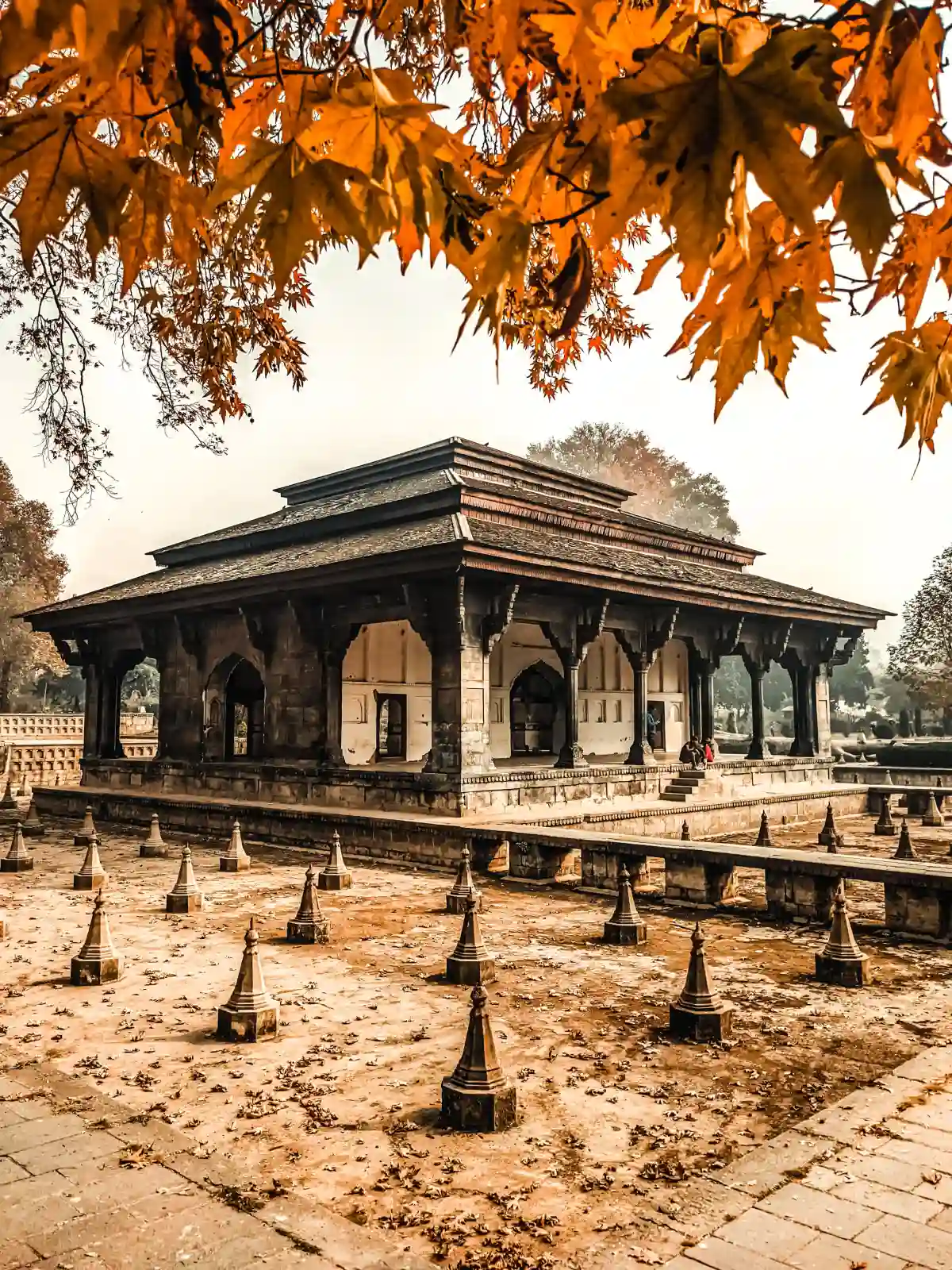
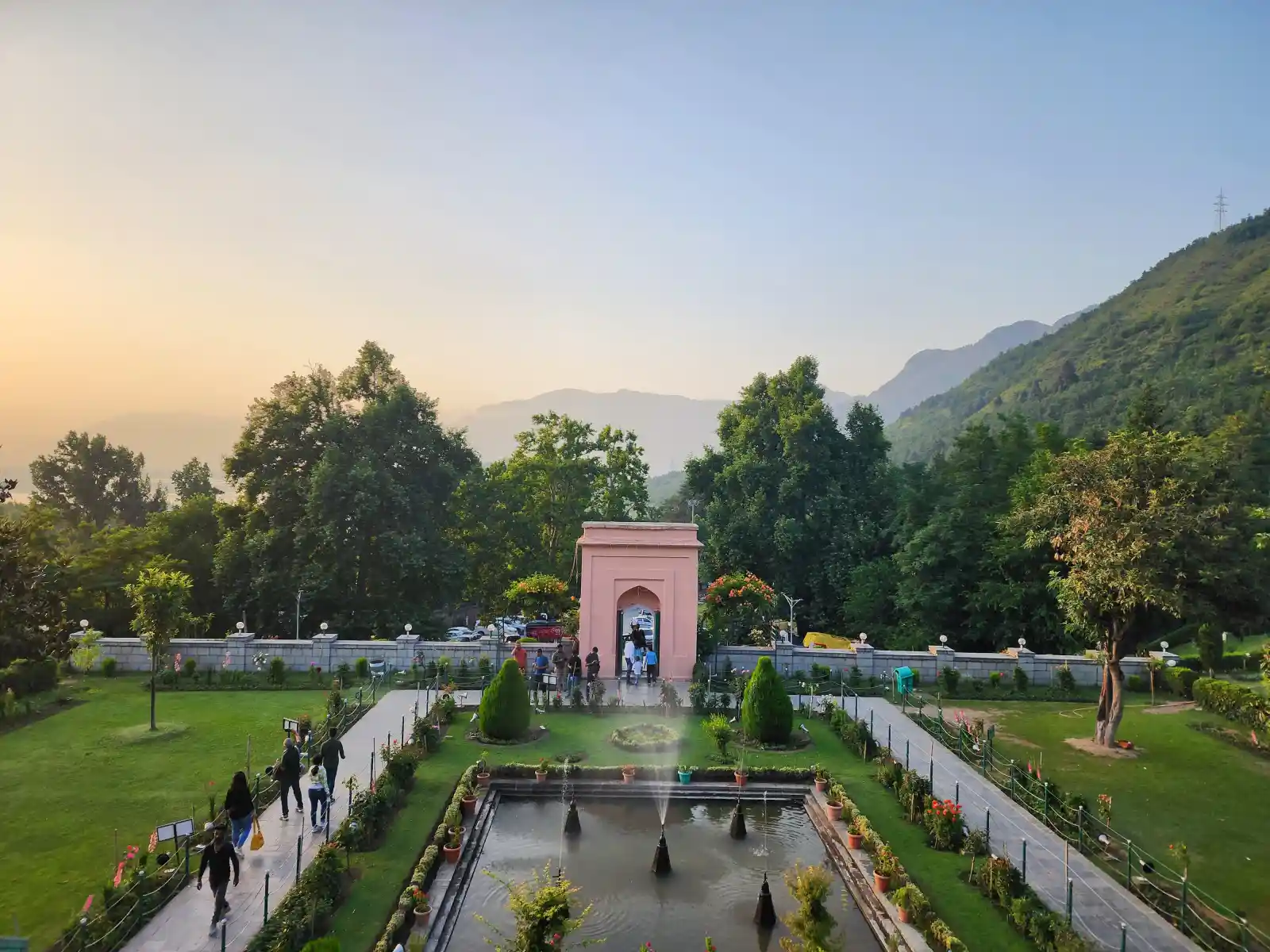
Dal Lake has been at the center of Kashmir’s cultural and political history. During the Mughal era, emperors like Jahangir and Nur Jahan chose the lake’s surroundings as their summer retreat. This is where some of the grand Mughal gardens such as Shalimar Bagh and Nishat Bagh were designed, reflecting a blend of Persian and Kashmiri styles.
Beyond its royal associations, the lake represents the soul of Srinagar. The floating vegetable gardens, locally called “Rad,” are unique to the region and highlight the deep connection locals share with the water. For the Kashmiri people, Dal Lake is not just scenery; it is a way of life. Families live in houseboats, shopkeepers run floating markets, and fishermen continue age-old traditions. Its cultural and spiritual significance makes it more than a destination—it’s a living heritage.
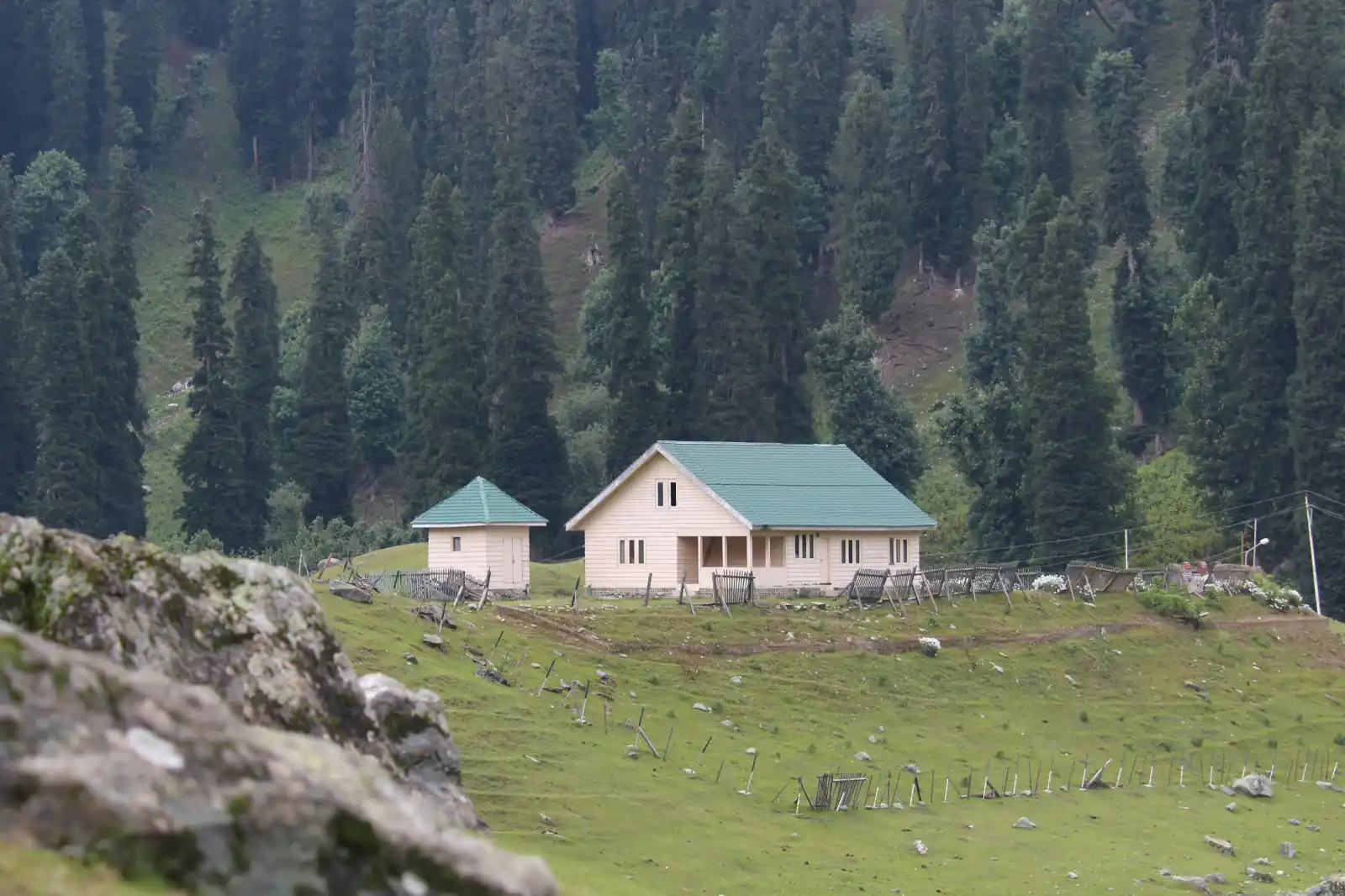
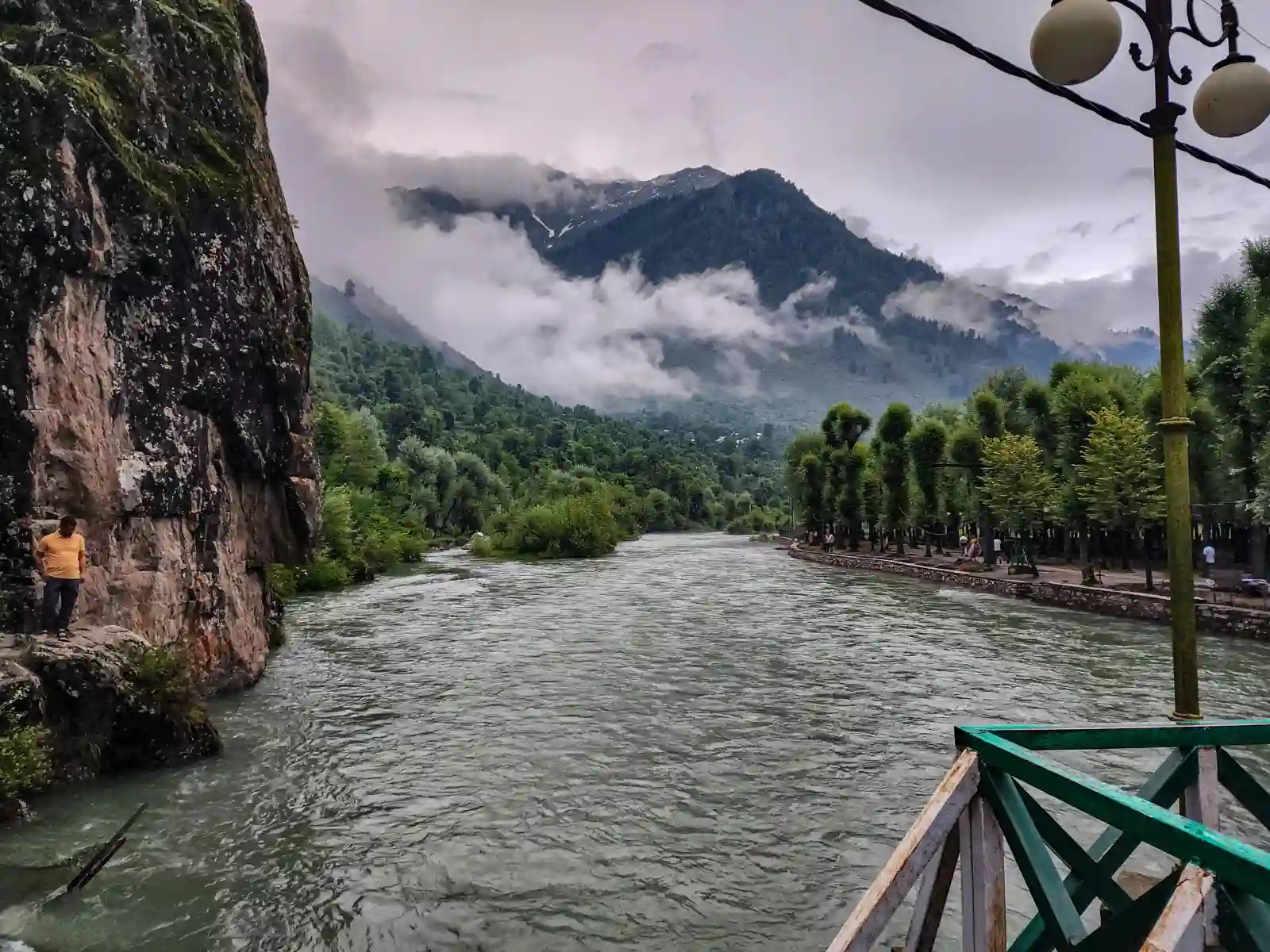
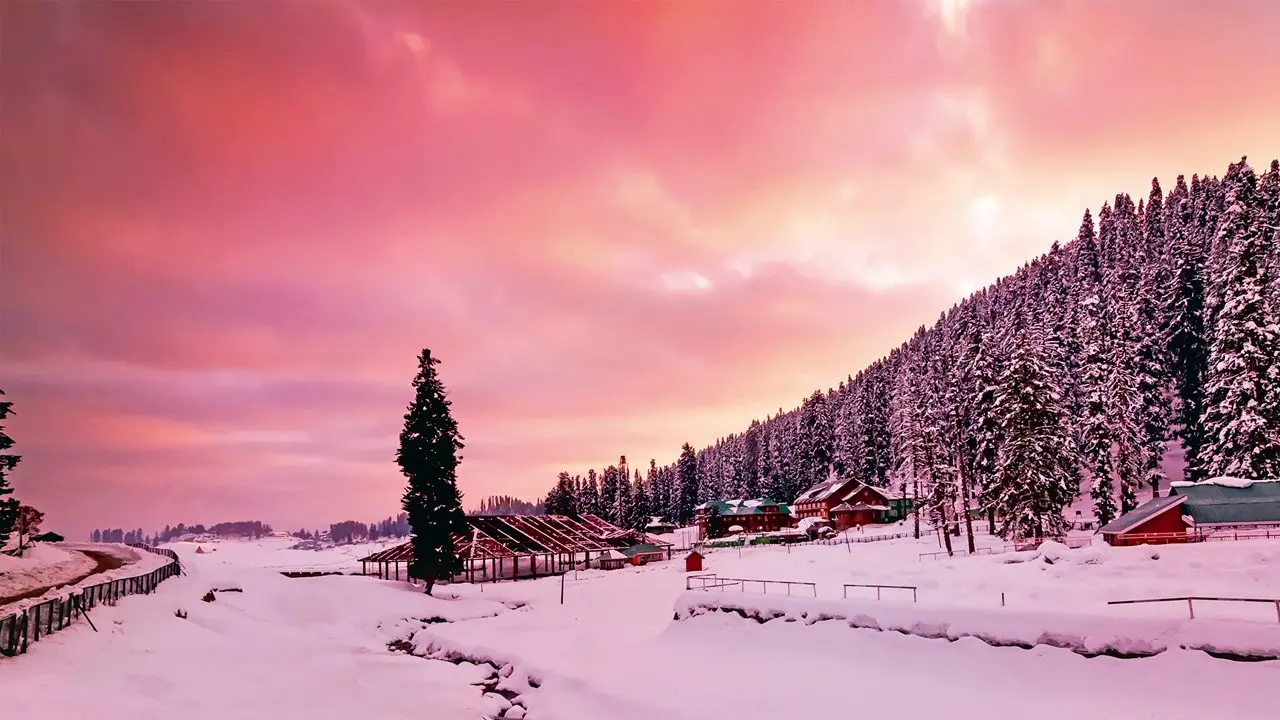
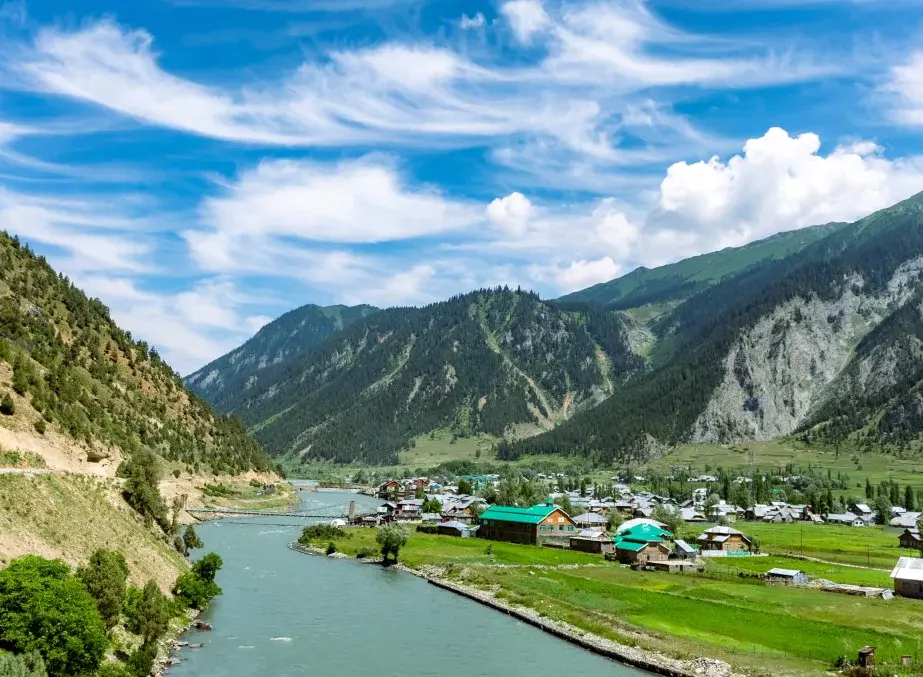
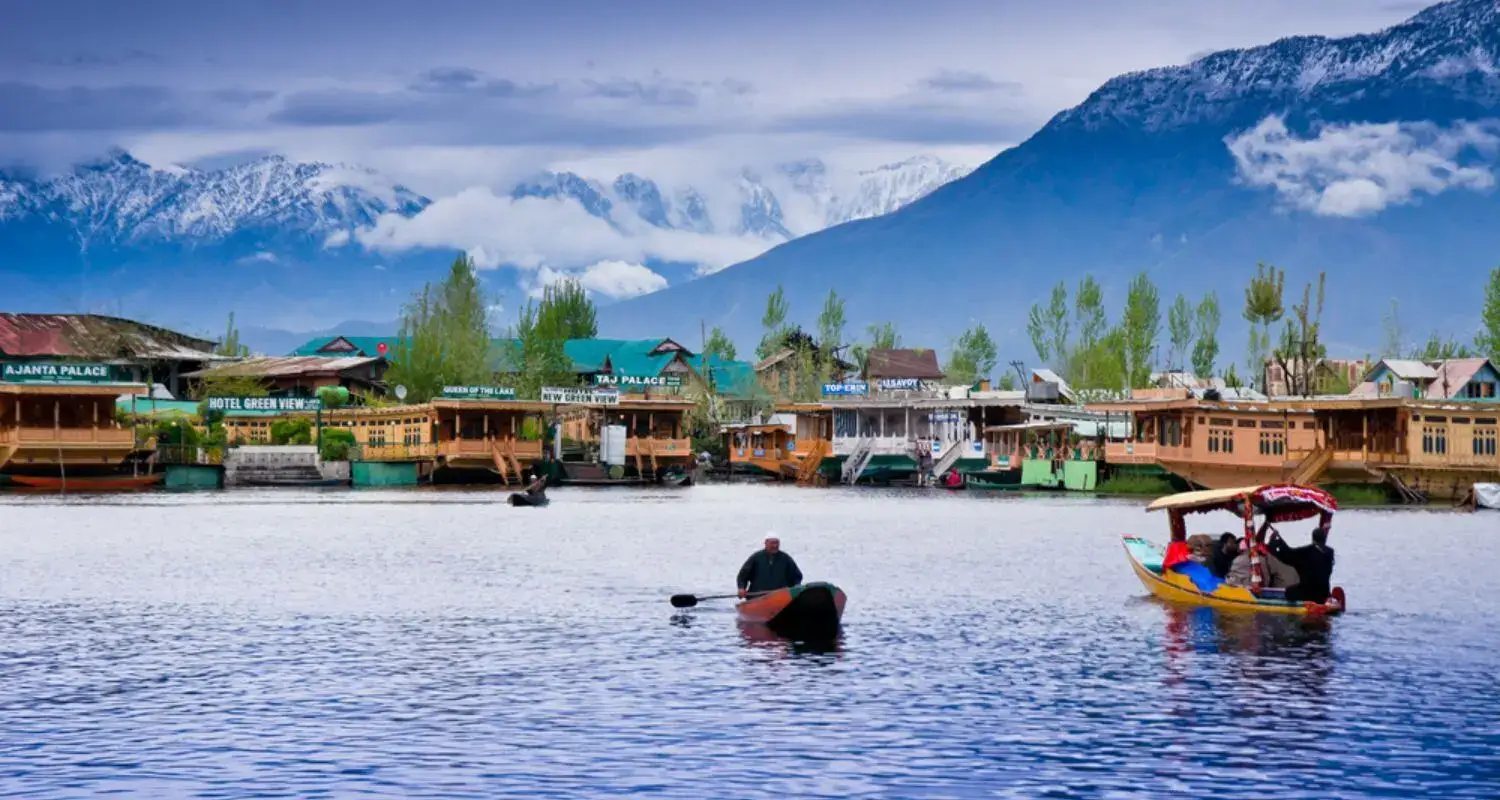
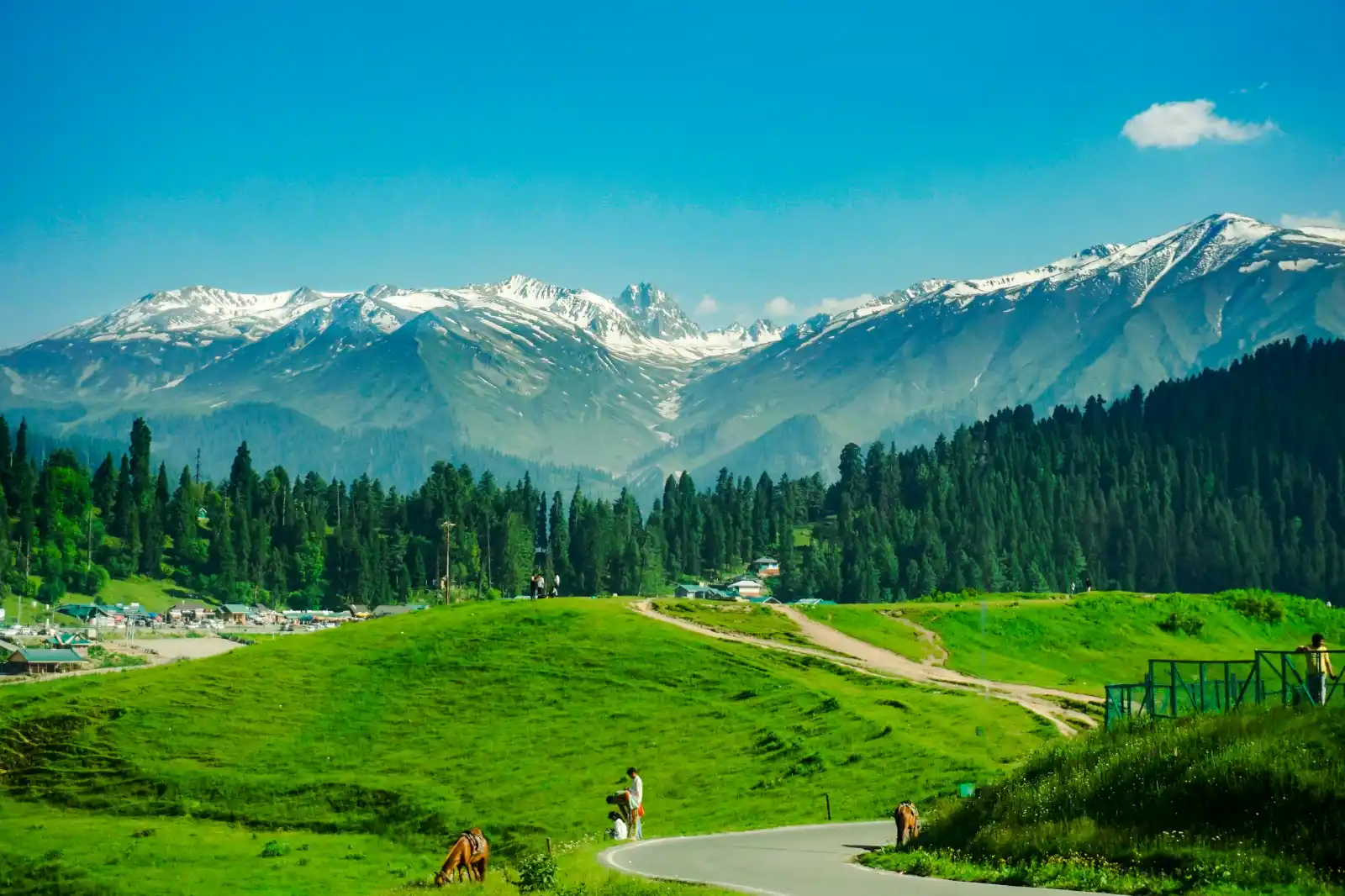
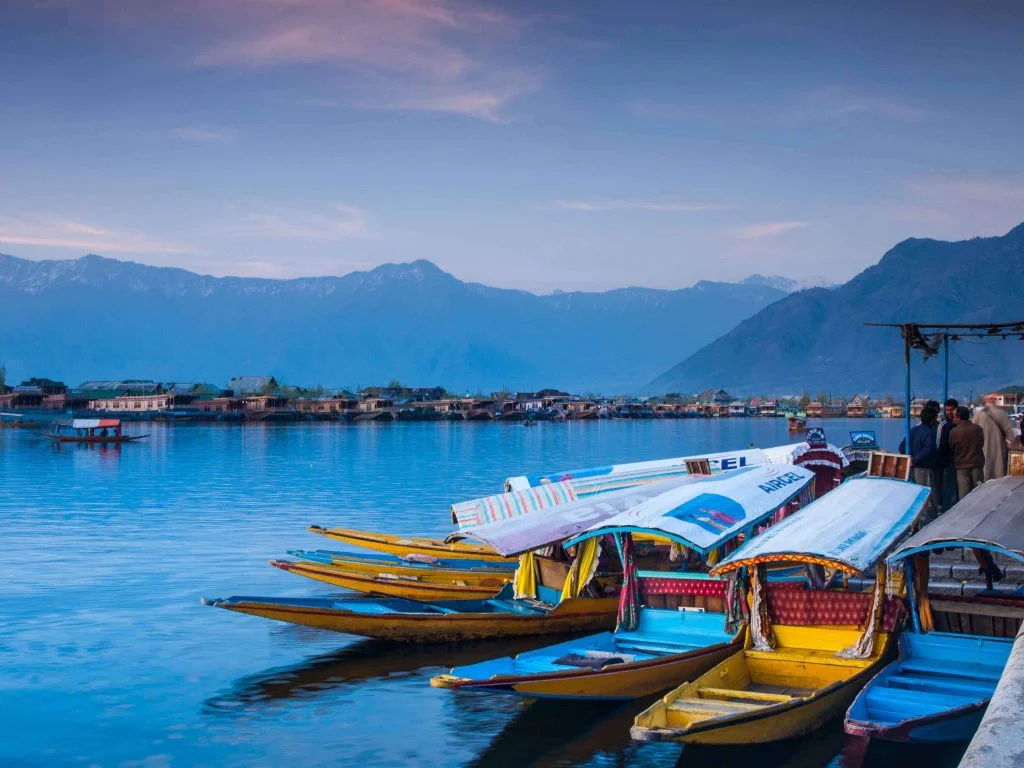
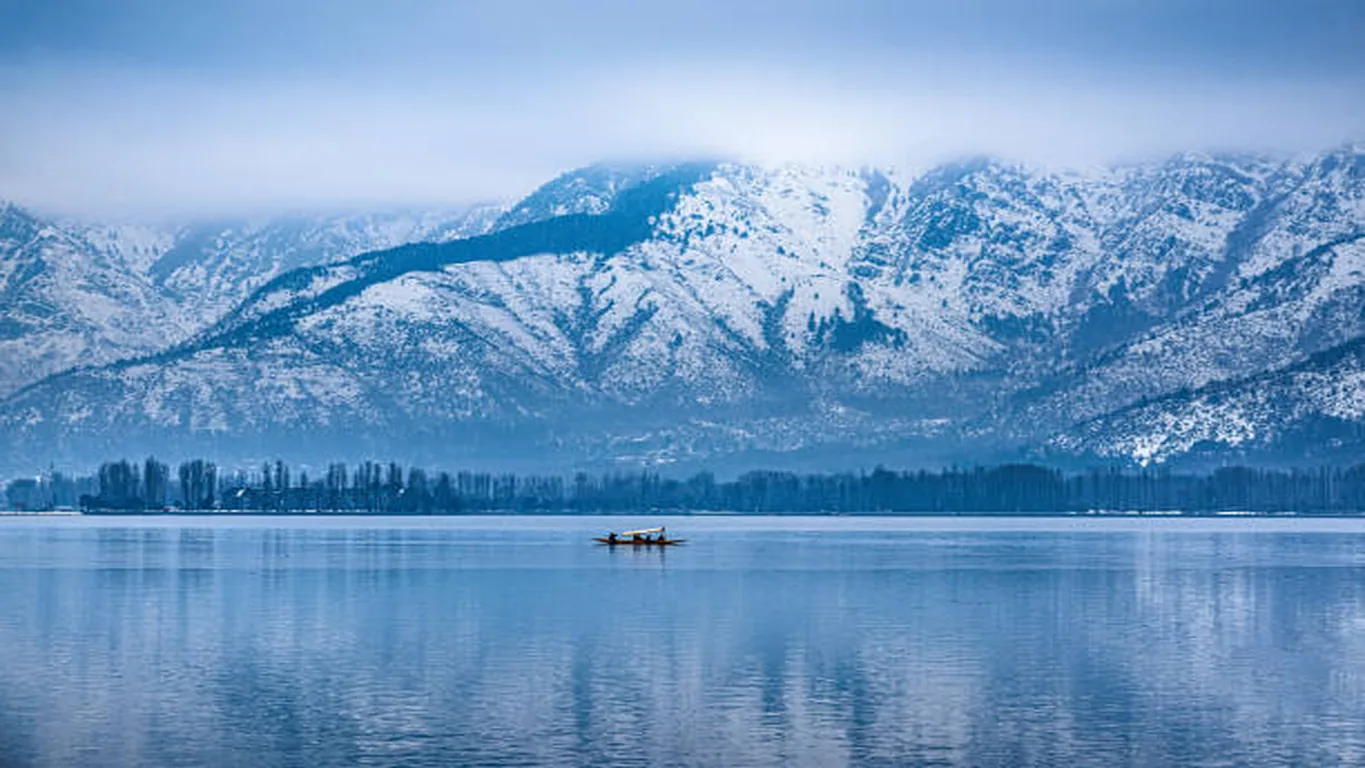
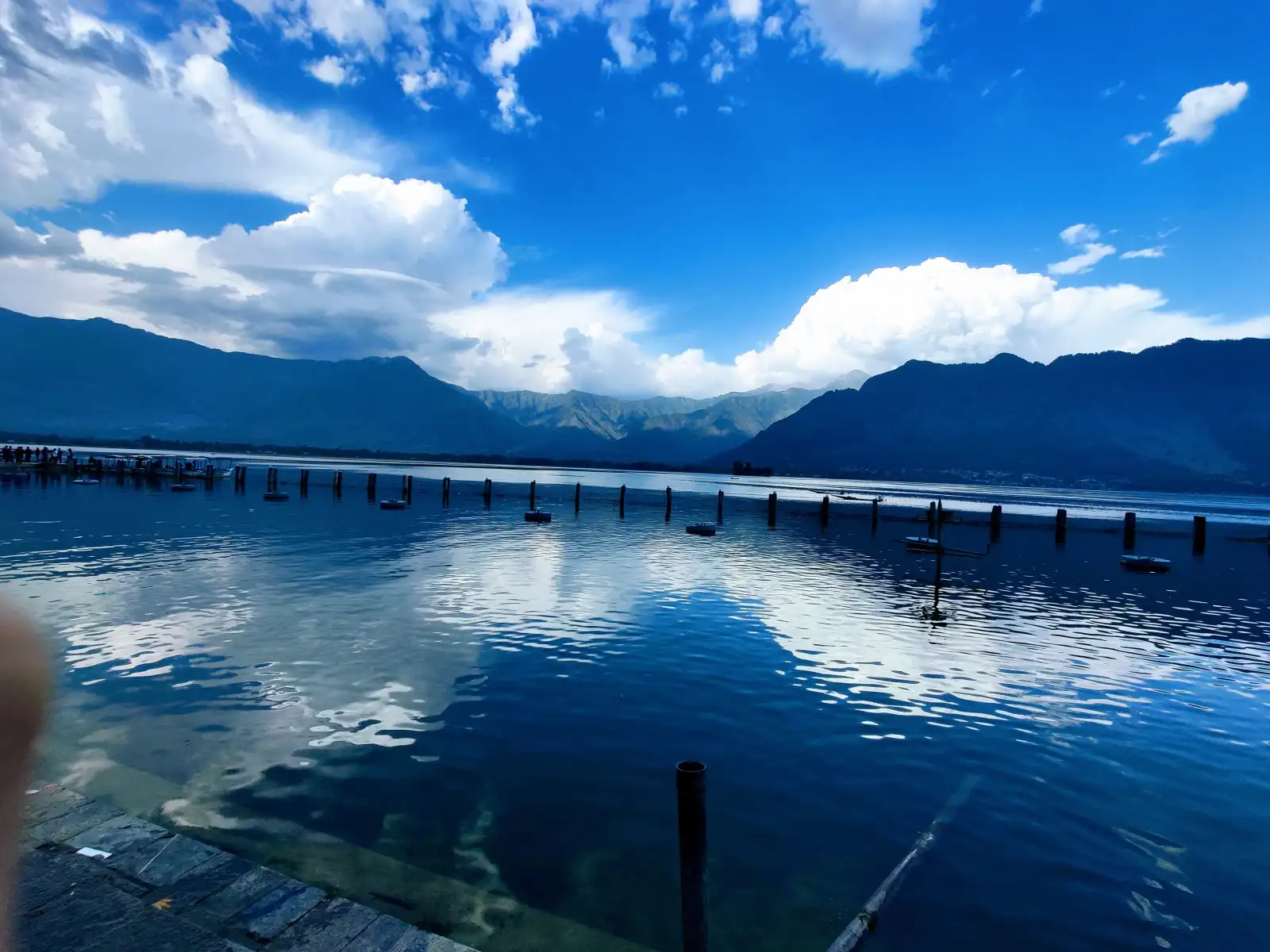
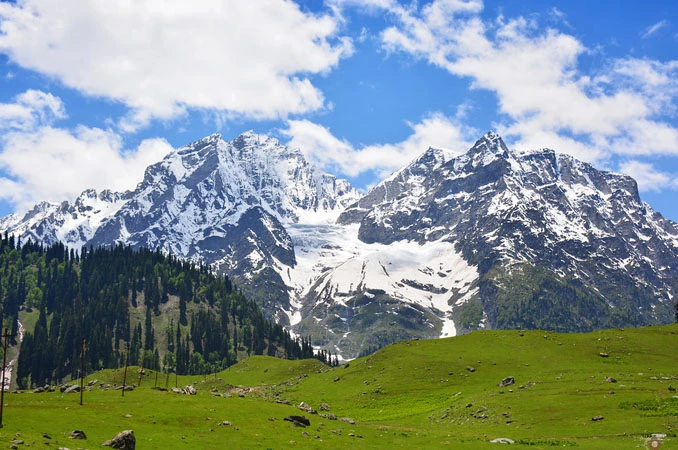
Dal Lake sits in the heart of Srinagar city, bordered by the mighty Zabarwan Range on one side and the Pir Panjal peaks in the distance. The lake spreads over an area of nearly 15–26 square kilometers, comprising multiple basins and channels. Its crystal-clear waters mirror the snow-capped mountains, creating postcard-perfect reflections at sunrise and sunset.
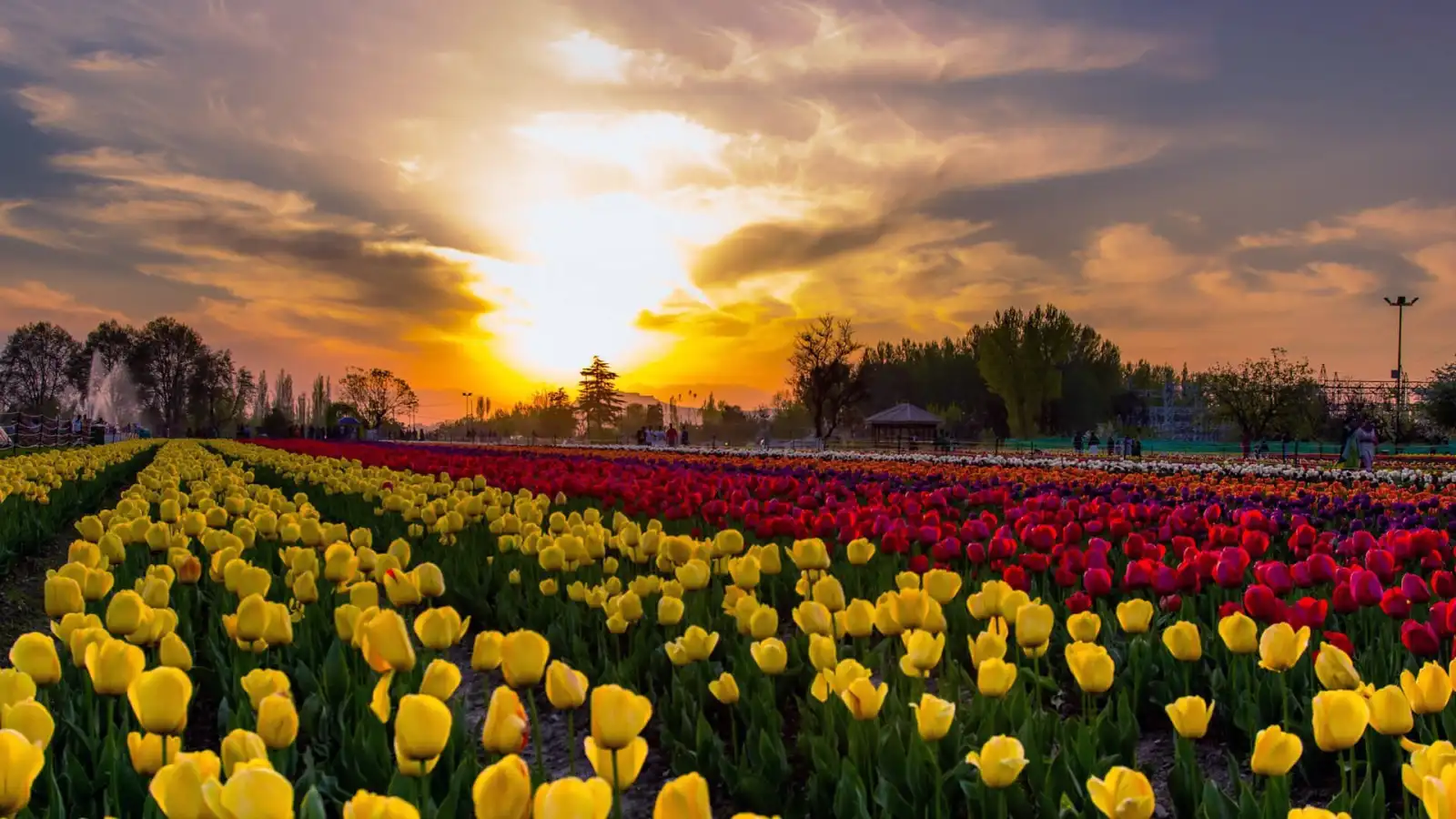
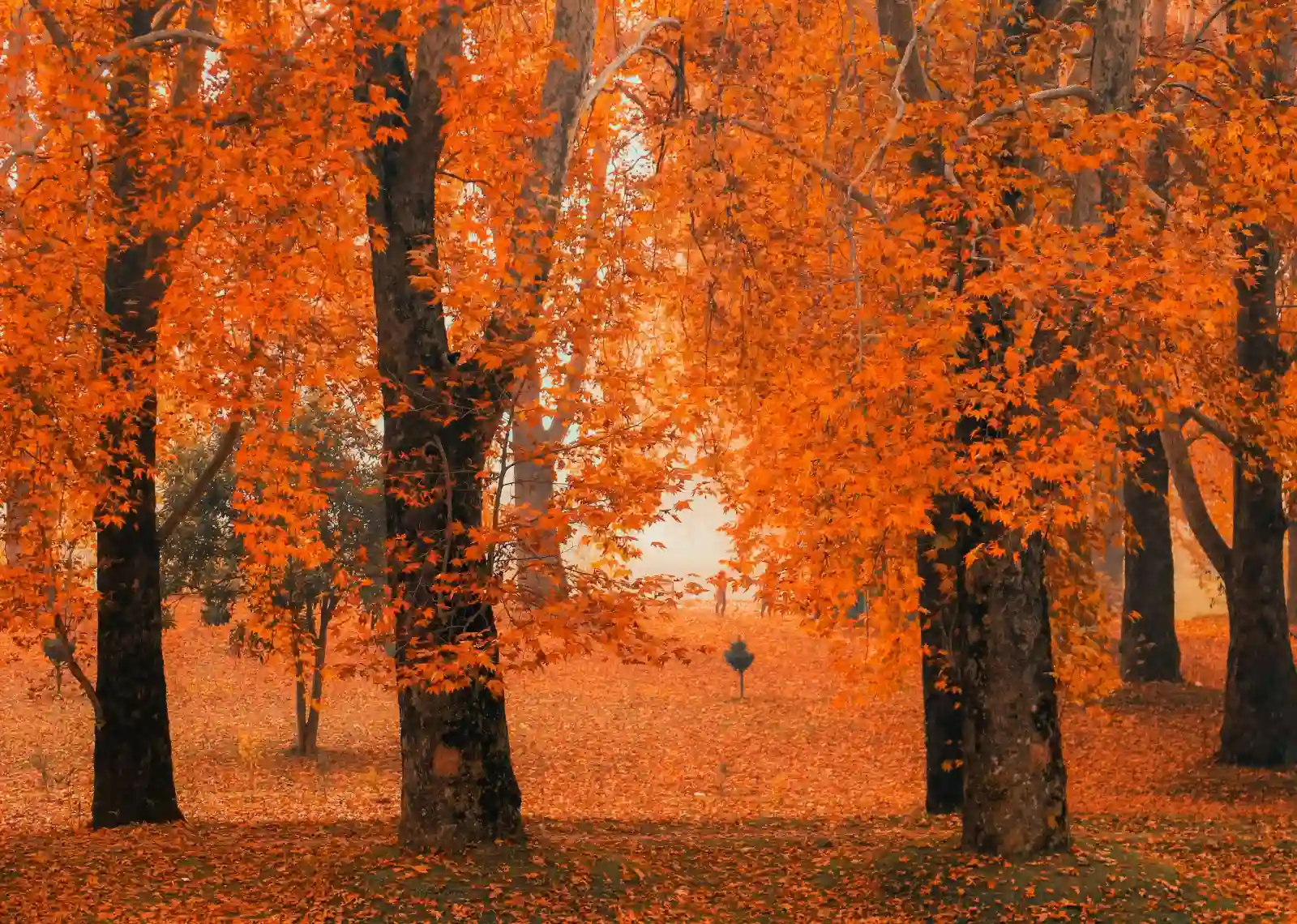
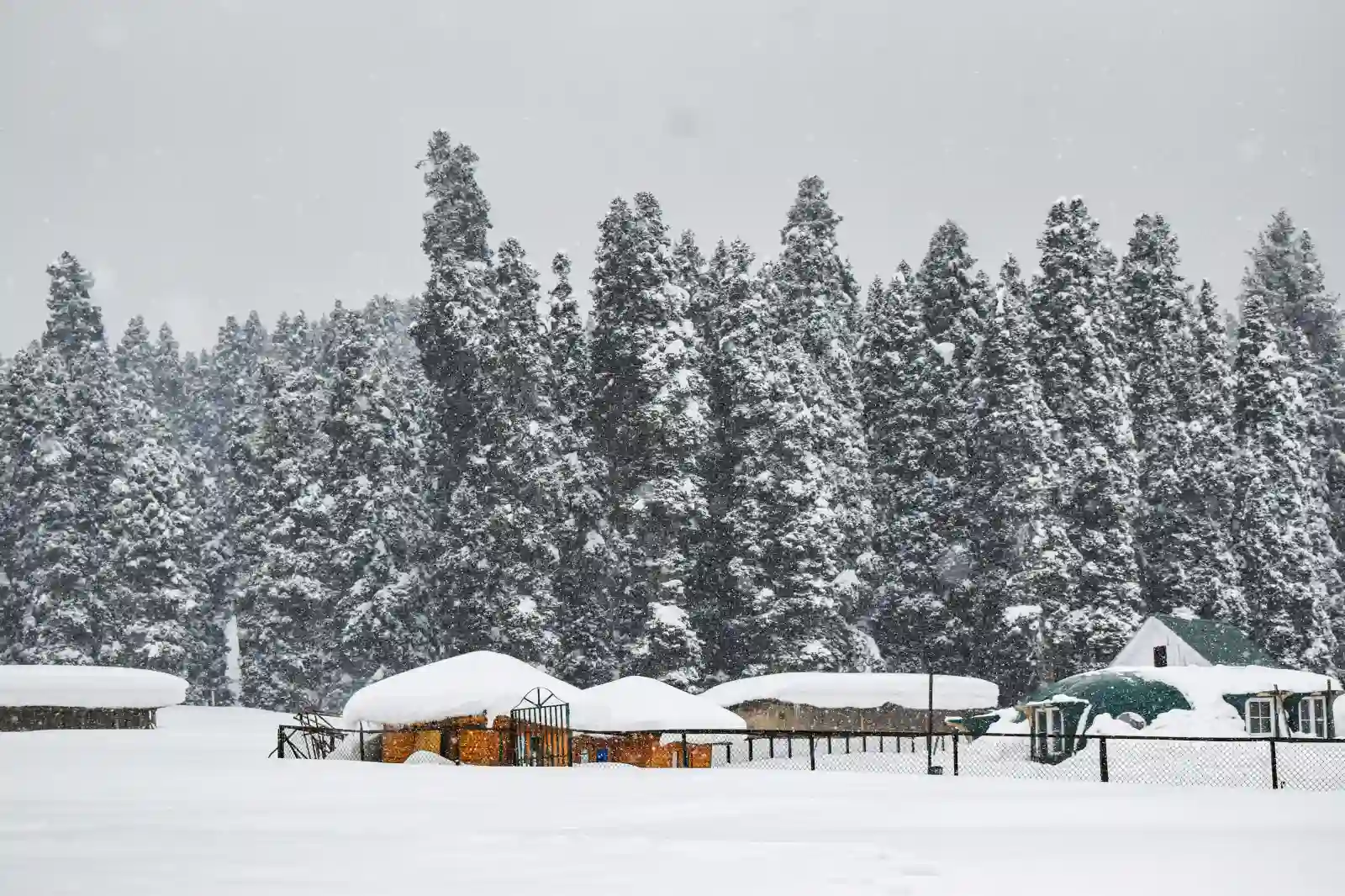
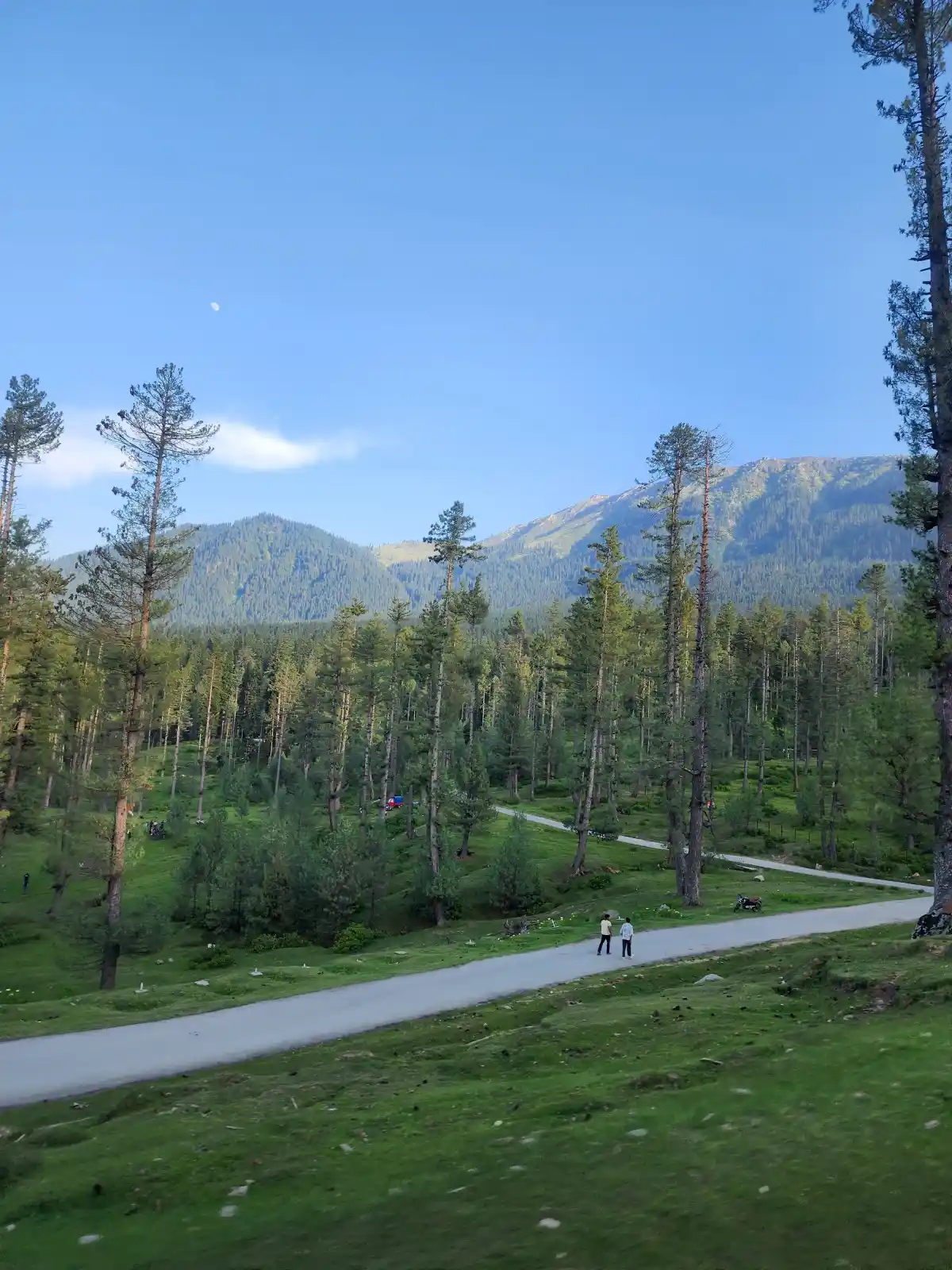
Surrounding the lake are lush Mughal gardens, terraced lawns, and blooming Chinar trees. Each season paints a new picture—spring brings vibrant blossoms, autumn covers the lake with golden leaves, while in winter, parts of Dal Lake freeze, offering a surreal charm.
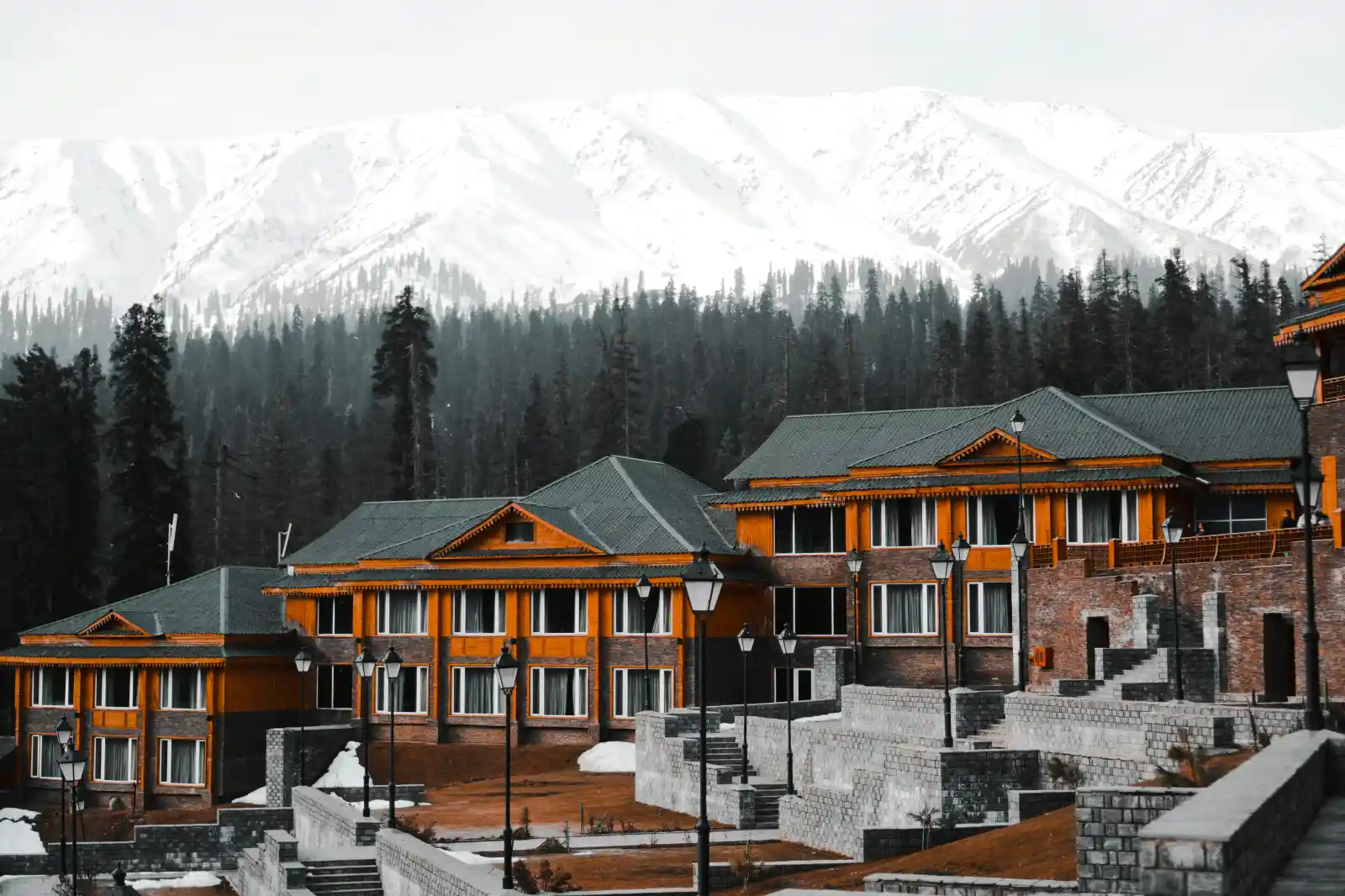
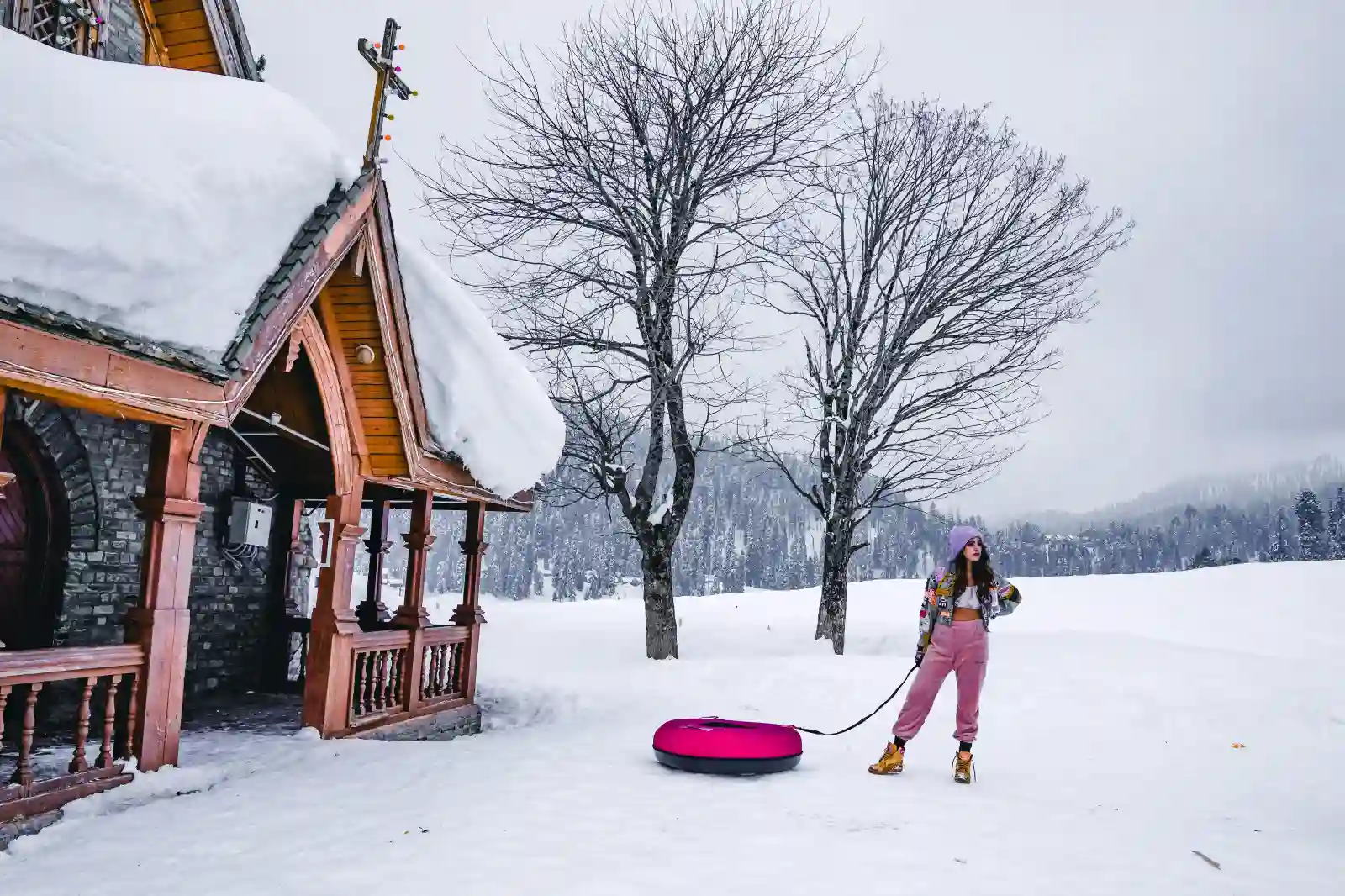
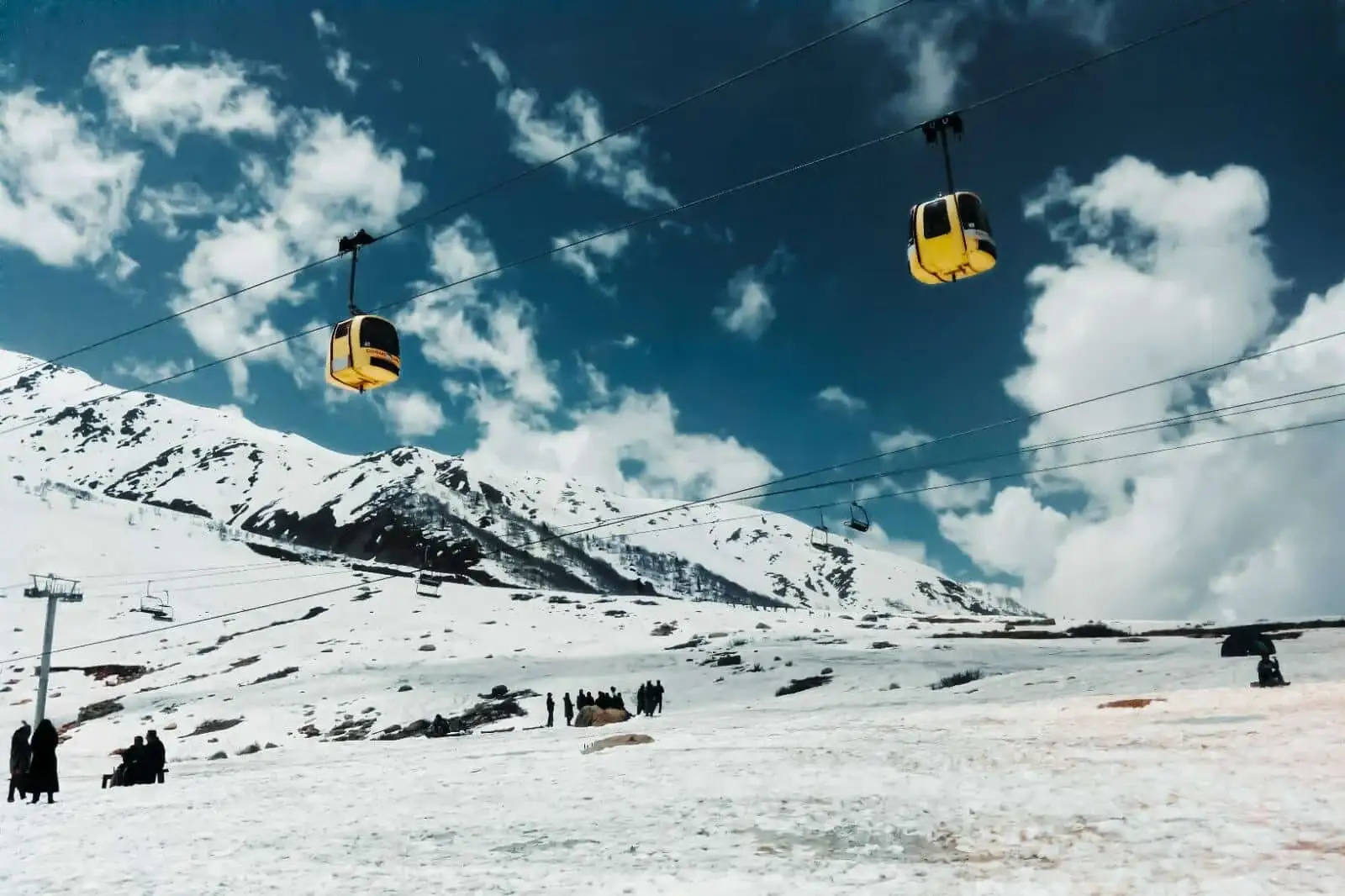
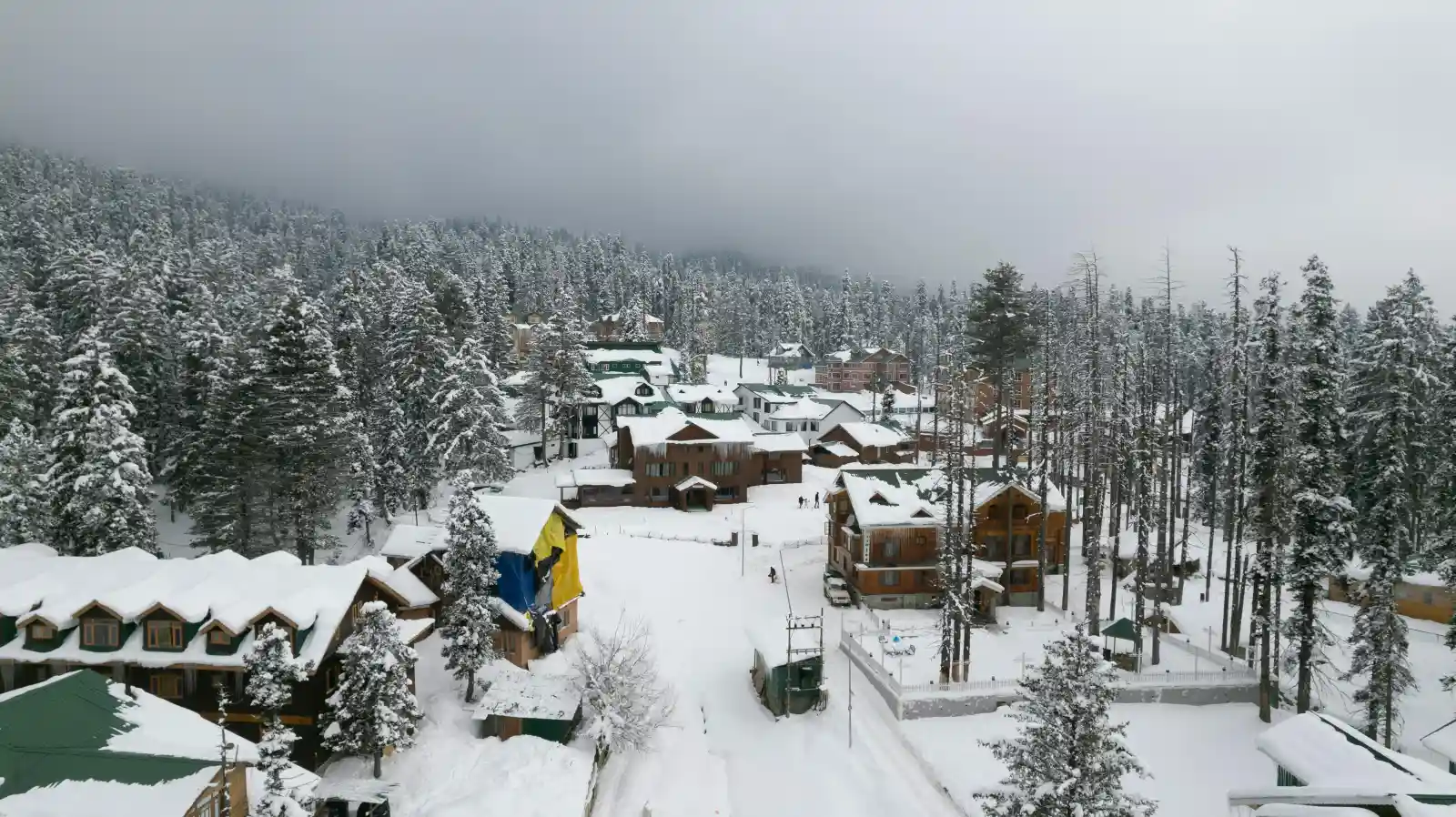



Many travelers combine Dal Lake experiences with Srinagar Tour Packages to enjoy a balanced mix of natural beauty and city attractions.

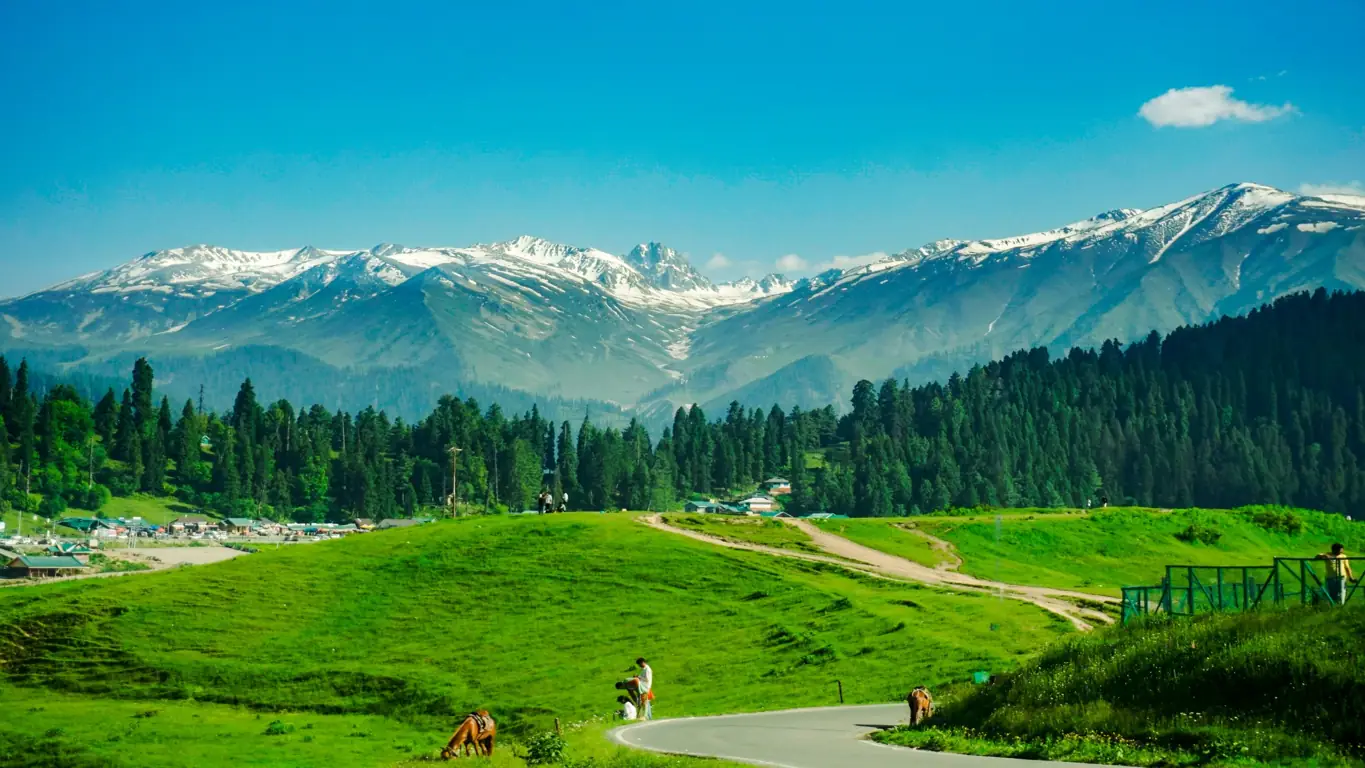
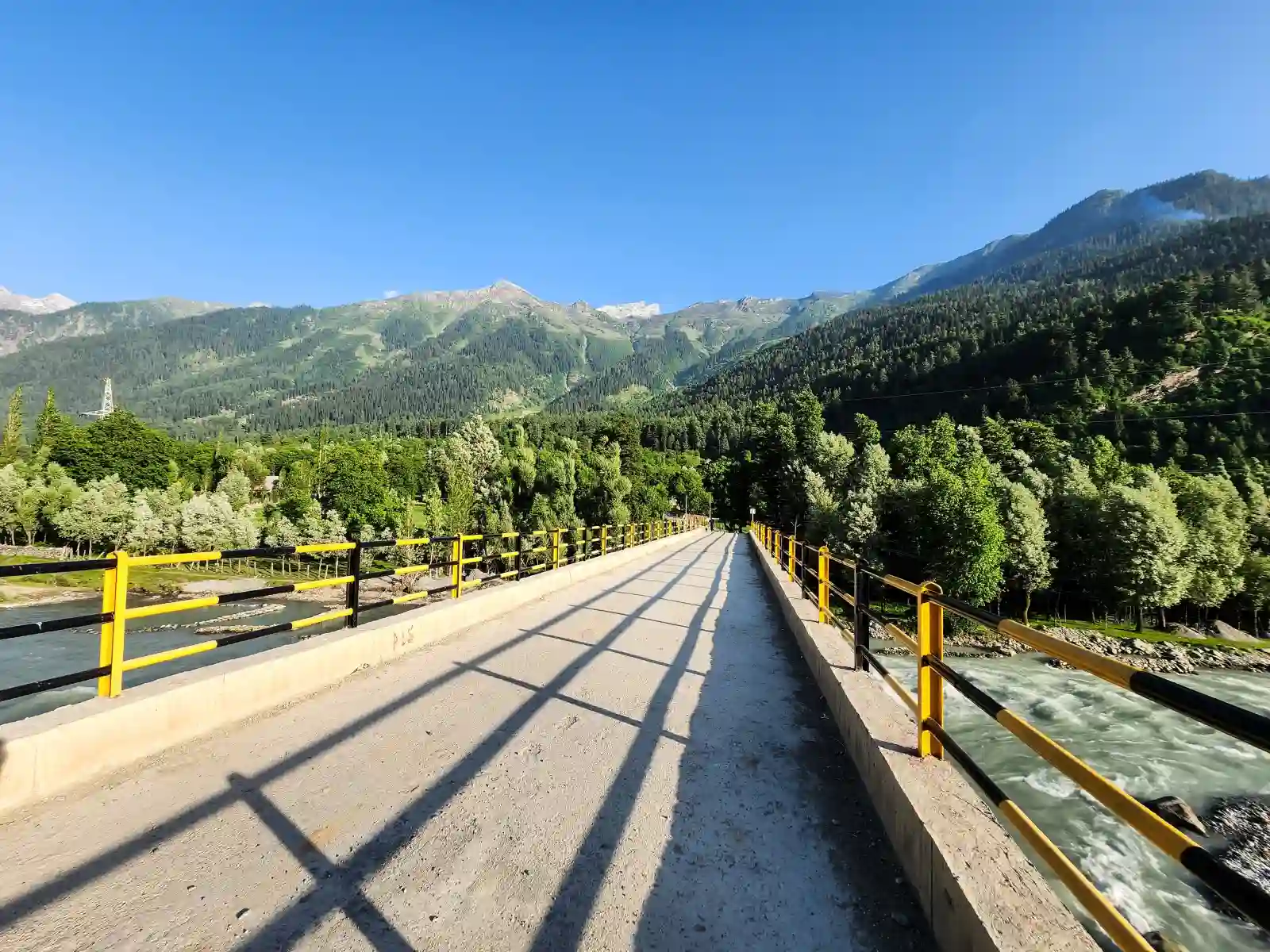
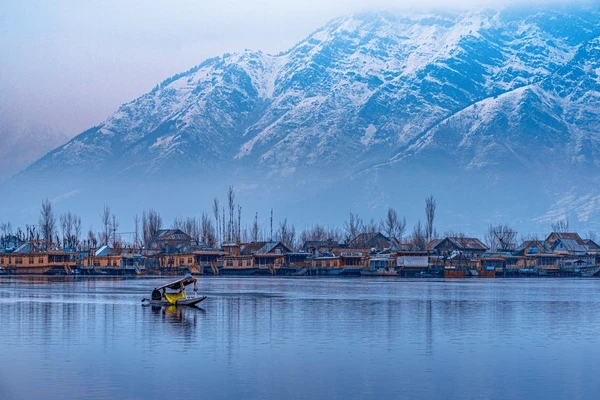
Spring & Summer (March–June): The most popular season, with pleasant weather, blooming tulips, and lively Shikara rides.
Autumn (September–November): The Chinar trees shed golden leaves, creating a romantic aura over the lake.
Winter (December–February): Dal Lake partially freezes, and visitors can experience walking or skating on ice while snow covers the valley.
There is no entry fee for visiting Dal Lake itself, but Shikara rides and houseboat stays are chargeable.
By Air: Srinagar Airport is just 20 km away and well connected to Delhi, Mumbai, and other Indian cities. From the airport, taxis and private cabs can easily take you to the lake.
By Road: Srinagar has road connectivity with Jammu and major towns of Kashmir, making Dal Lake accessible via scenic drives.
By Rail: The nearest major railway station is Jammu Tawi. From there, travelers can take buses or taxis to Srinagar.
For more useful advice, you can explore detailed Kashmir Travel tips before planning your trip.
Dal Lake is more than just a lake—it’s the living heartbeat of Kashmir. From romantic Shikara rides to soulful sunsets, from floating gardens to centuries-old Mughal gardens, every experience here is unforgettable. Whether you are seeking relaxation, cultural immersion, or adventure, Dal Lake offers it all. That is why it remains a must-visit destination in every traveler’s journey to Srinagar. If you are planning your trip, consider adding Dal Lake to your itinerary with one of the thoughtfully designed Kashmir Tour Packages for an experience you will cherish forever.
What makes Dal Lake the most visited attraction in Srinagar?
Dal Lake is the crown jewel of Srinagar, admired for its stunning beauty, traditional houseboats, Shikara rides, and the snow-clad Zabarwan Mountains in the backdrop. Its charm lies in a mix of natural scenery, Mughal gardens, and vibrant Kashmiri culture.
How large is Dal Lake and how deep does it go?
Dal Lake spans around 22 square kilometers with an average depth of 5–6 feet and a maximum depth of nearly 20 feet, dotted with islands, lotus gardens, and floating vegetable farms.
Which Mughal gardens are located along Dal Lake?
Famous Mughal gardens such as Shalimar Bagh, Nishat Bagh, and Chashme Shahi are located on its banks, offering panoramic views of the lake and surrounding mountains.
What are Shikara rides in Dal Lake?
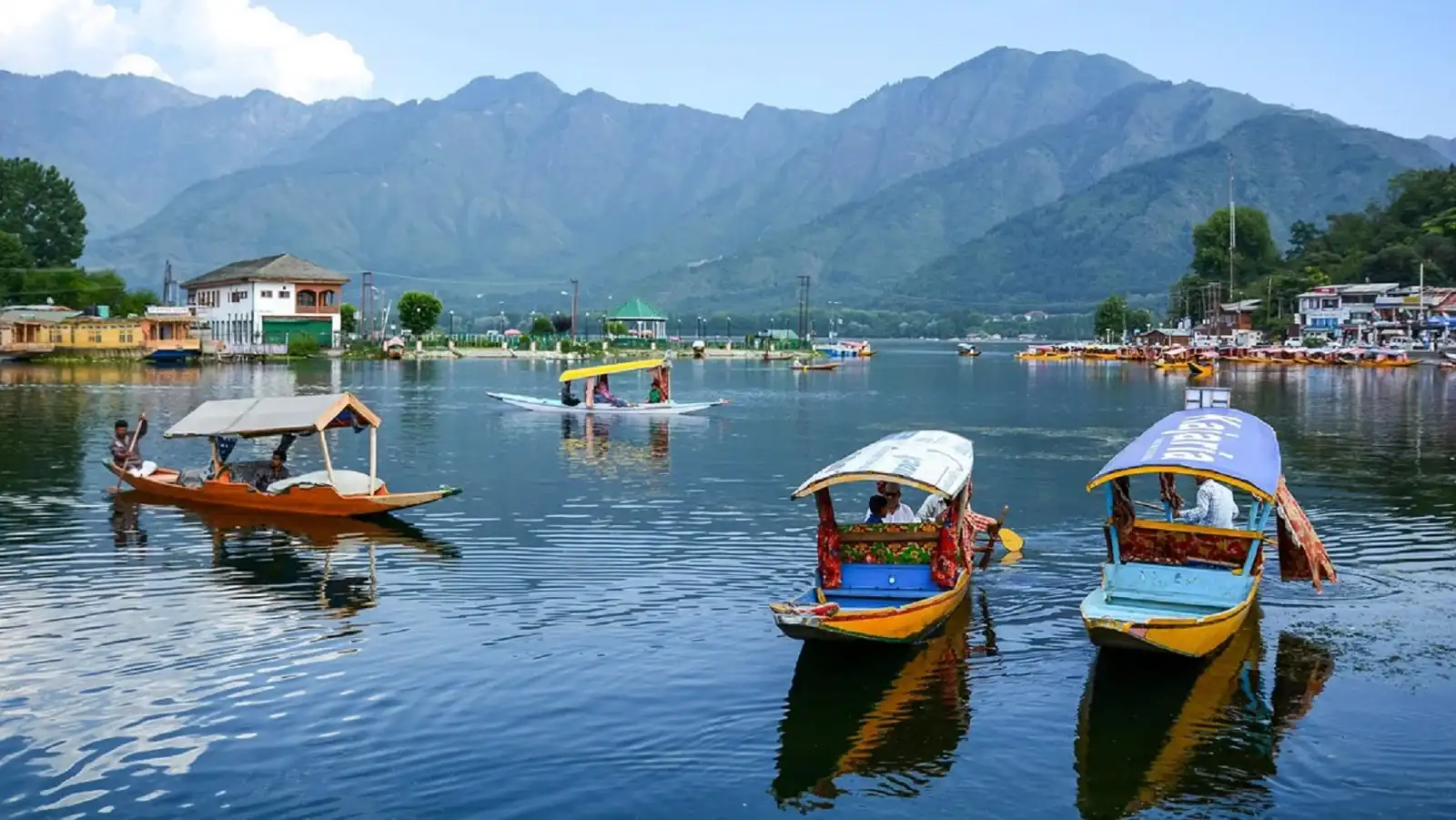
Shikara rides are traditional wooden boat rides that let visitors experience floating gardens, lotus blooms, houseboats, and the daily lifestyle of locals on the lake. They are among the most popular activities for tourists.
Can tourists stay in houseboats on Dal Lake?
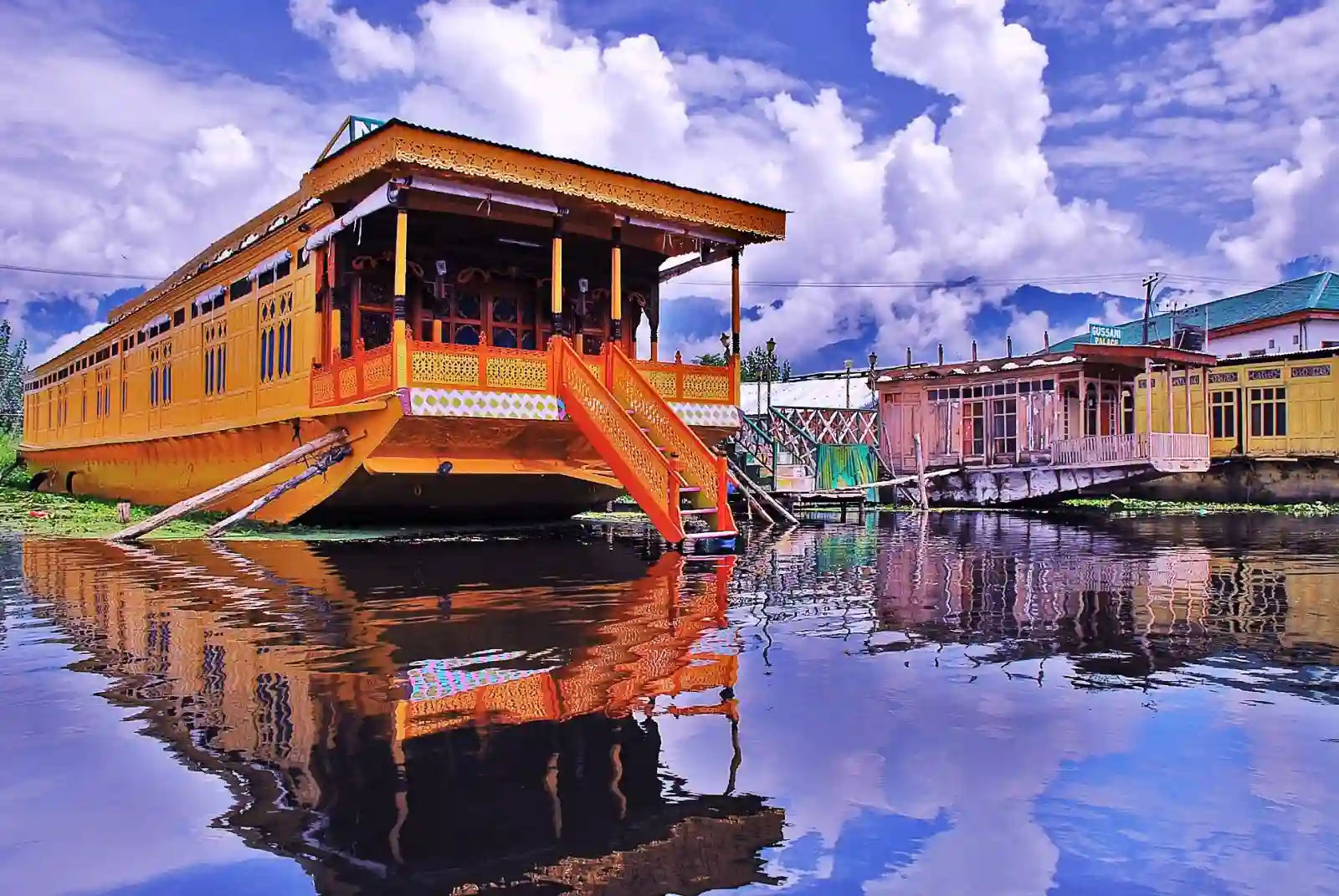
Yes, Dal Lake is famous for its houseboat stays, offering unique Kashmiri-style accommodations with modern amenities. Houseboats are available in different categories, from budget-friendly to luxurious.
Which floating markets can be seen on Dal Lake?
The lake hosts a rare floating vegetable market every morning, where local farmers sell fresh produce directly from their boats—a one-of-a-kind experience for visitors.
What are the main ghats and entry points of Dal Lake?
Important ghats like Nehru Park, Dalgate, Nishat Ghat, and Hazratbal Ghat serve as entry points for Shikara rides and houseboat stays, each offering a unique experience of the lake.
Which mountains and landmarks surround Dal Lake?
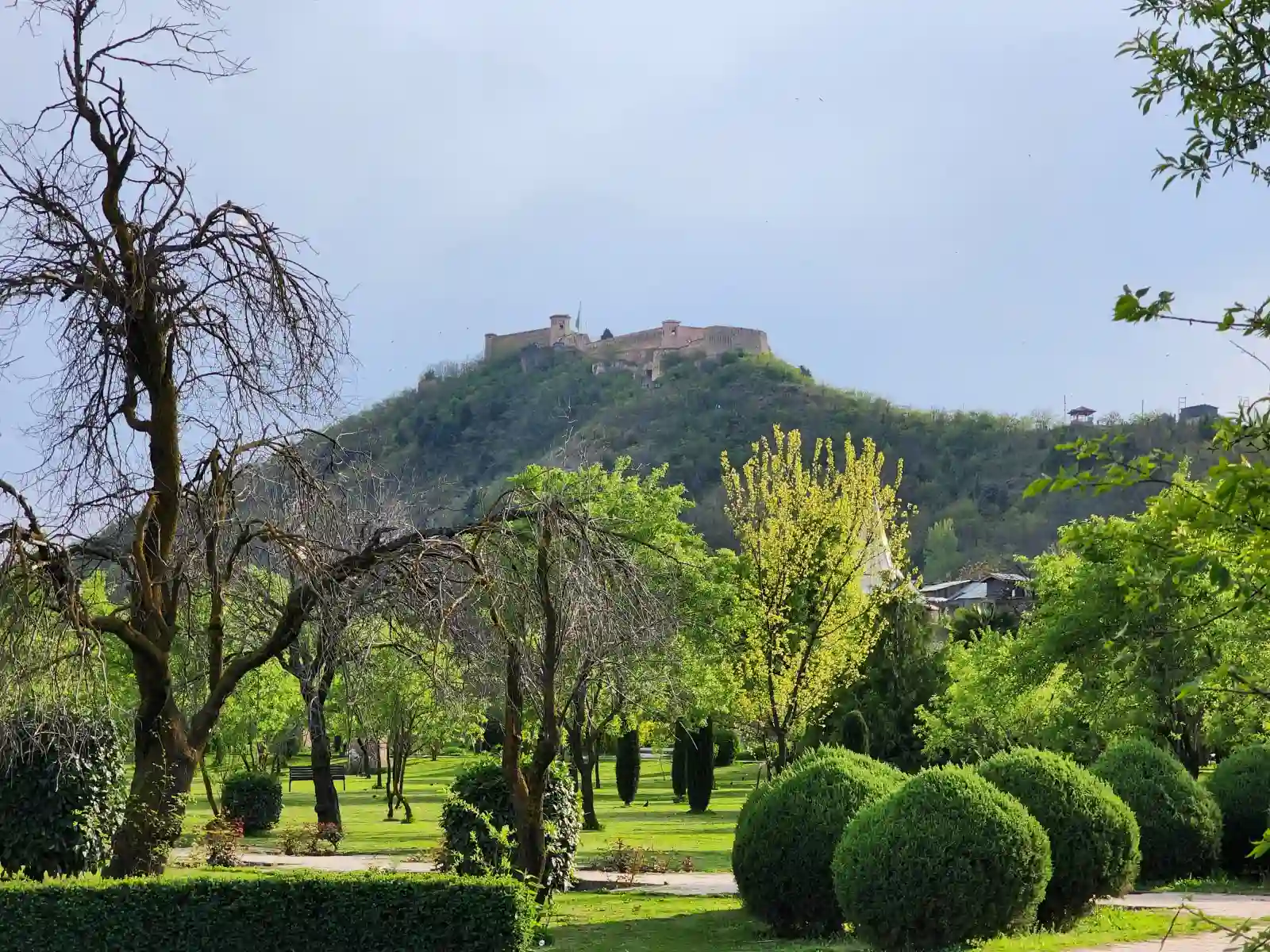
Dal Lake is framed by the Zabarwan Mountain Range and overlooked by historic landmarks such as Hari Parbat Fort, Shankaracharya Hill, and the Hazratbal Shrine.
What is the best time to visit Dal Lake?
The ideal time is between April and October, when the weather is pleasant and lotus flowers bloom. In winter, parts of the lake freeze, creating a magical scene.
Does Dal Lake freeze in winter?
Yes, during harsh winters the surface of Dal Lake partially freezes. Locals sometimes walk on thin layers of ice, and the frozen lake becomes a spectacular sight for visitors.
Are there festivals or cultural events held on Dal Lake?
The lake hosts the Shikara Festival, cultural boat races, and becomes lively during the Tulip Festival nearby, showcasing Kashmiri traditions and hospitality.
What adventure activities are available on Dal Lake?
Besides Shikara rides, visitors can enjoy canoeing, kayaking, and water skiing. Seasonal events also introduce activities like hot-air ballooning near the lake.
What types of flora and fauna can be seen in Dal Lake?
The lake is home to lotus flowers, water lilies, kingfishers, herons, and migratory birds. Its floating gardens cultivate vegetables and flowers throughout the year.
How is Dal Lake connected to Nigeen Lake?
Dal Lake is interconnected with Nigeen Lake through a narrow water channel, forming part of Srinagar’s extensive lake ecosystem.
What makes sunrise and sunset at Dal Lake so special?
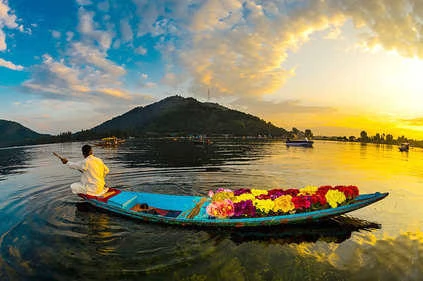
At sunrise, Dal Lake reflects golden Himalayan peaks, while sunset transforms the waters into shades of orange and purple, making it a paradise for photographers.
Is photography and drone shooting allowed at Dal Lake?
Photography is allowed freely. However, drones require special permission from local authorities for security reasons.
Which attractions are located near Dal Lake?
Nearby attractions include Hazratbal Shrine, Shankaracharya Temple, Pari Mahal, Srinagar Tulip Garden, and Nigeen Lake, along with Mughal gardens and markets.
How do locals depend on Dal Lake for livelihood?
Thousands of families rely on Dal Lake for fishing, vegetable farming, Shikara rides, houseboat hospitality, and tourism-related services.
What conservation efforts are being taken to protect Dal Lake?
The government and NGOs are working on lake cleaning drives, eco-tourism promotion, and wastewater management projects to restore and preserve Dal Lake.
Is it safe to stay overnight in Dal Lake houseboats?
Yes, overnight stays are safe and popular. Houseboats are equipped with electricity, heating, modern amenities, and Kashmiri hospitality, making them a memorable experience.